
Independent prescriber pharmacist: an honest guide to the qualification
How the independent prescriber qualification works, who can train, and how it changes a pharmacist career.

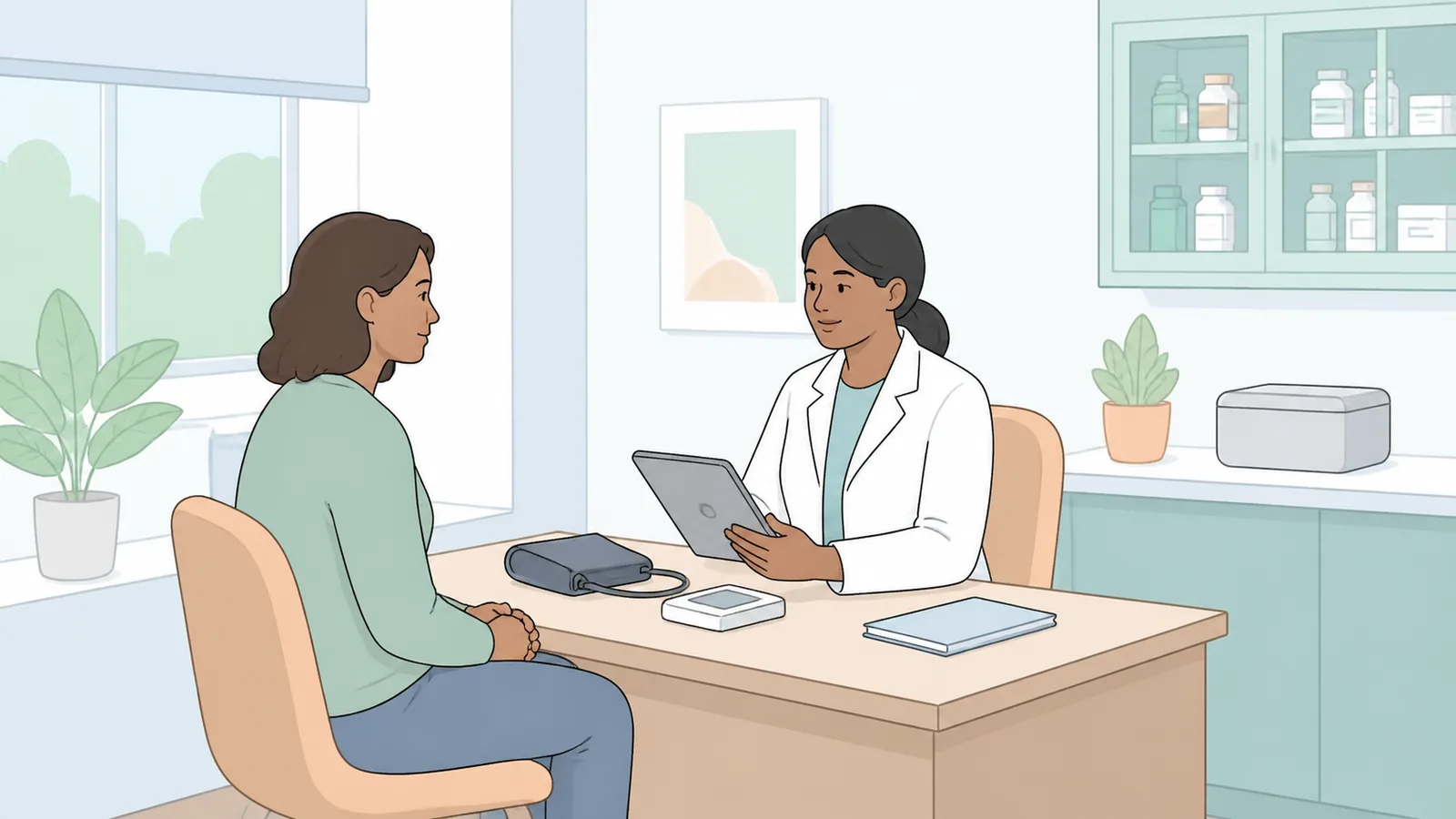
If you can prescribe any medicine within your competence, without needing a doctor to sign off, your career options widen considerably.
Independent prescribing is the highest level of prescribing authority a pharmacist can hold in the UK. It lets you assess patients, diagnose conditions within your scope, and prescribe medication on your own clinical judgement. The same authority a GP or consultant has, applied to the areas you have been trained in. Once you hold the GPhC annotation, you are no longer the person who dispenses what someone else decided. You are the person who decides.
This guide covers the route to get there, what it costs, and whether it is worth it. The demand is clear. The supply side takes more explaining.
Who can train as an independent prescriber
You need to be a registered pharmacist with the GPhC. The GPhC removed the previous two-year post-registration requirement in 2022. You now need relevant experience in a pharmacy setting and the ability to demonstrate the skills and attributes required by a prescriber. Some employers or course providers may still prefer candidates with more experience, and if your background is regulatory affairs or pharmaceutical industry rather than patient-facing practice, that may affect how course providers assess your application.
You also need a designated medical practitioner (DMP) to supervise your training. This is usually a doctor or another independent prescriber who agrees to mentor you through the supervised practice component. Finding a willing DMP is often the hardest part. They need to work in a setting relevant to your intended prescribing area, and they need time. Some employers help arrange this. Others expect you to sort it yourself.
If you are new to pharmacy and wondering about the broader pathway, start with our guide to becoming a pharmacist.
The course itself
Independent prescriber training is a postgraduate course, typically running six months. Some universities offer it part-time over nine months. The academic component covers pharmacology, consultation skills, clinical examination, and prescribing law. Expect around 26 days of taught content, delivered in blocks or online depending on the provider.
The supervised practice element requires 90 hours with your DMP. You will assess real patients, make prescribing decisions under supervision, and build a portfolio of cases. This is where the learning happens. The lectures teach you what to consider. The practice teaches you what it feels like to be the one signing.
Course fees range from around 1,500 pounds to 3,000 pounds. Some employers cover the cost. Some offer study leave. Many do neither, and you pay from your own pocket while juggling shifts. Worth checking before you commit.
GPhC annotation
Once you pass, you apply to the GPhC for annotation to your registration. This is the legal bit. Until your entry reads "Independent Prescriber," you cannot prescribe independently regardless of what certificate you hold. The annotation is usually processed within a few weeks. Keep your certificate safe. You will need it for job applications.
The annotation is permanent unless removed through fitness-to-practise proceedings. You do not need to renew it annually. You do need to maintain competence and keep records of your prescribing for audit purposes.
What you can prescribe
An independent prescriber can prescribe any medicine within their area of competence. This includes controlled drugs, which supplementary prescribers cannot do unless working from an agreed clinical management plan. The key phrase is "within competence." If you trained in respiratory care, you prescribe respiratory medicines. You do not start prescribing oncology drugs because you read about them once.
This is different from supplementary prescribing, where you work from a clinical management plan agreed with a doctor. Supplementary prescribing suits ongoing management of known conditions. Independent prescribing suits initial assessment, diagnosis, and treatment decisions. Most pharmacists who pursue both find that independent prescribing is what employers actually want.
Where independent prescribers work
The demand sits in three main areas.
GP surgeries hire independent prescriber pharmacists to handle minor illness clinics, medication reviews, and long-term condition management. This frees up GP time for complex cases. PCN pharmacist roles often require or prefer the IP qualification. Pay tends to sit at Band 7 or Band 8a equivalent for NHS-funded posts.
Hospitals use independent prescribers on wards, in outpatient clinics, and in specialist areas like antimicrobials or pain management. The prescribing load is higher and the supervision is closer. Some trusts expect all clinical pharmacists to work toward IP annotation within a few years of joining.
Community pharmacies have expanded their clinical services significantly. Independent prescribers can now offer consultations and prescribe for common conditions under NHS contracts. This shifts the role from dispensing to clinical decision-making. The salary difference between a newly qualified community pharmacist and one with IP can be meaningful. The salary difference can be meaningful.
If you are weighing the community route against NHS roles, our comparison of NHS versus community pharmacist careers covers the trade-offs in detail.
The career advantage
Here is the plain calculation. Employers want pharmacists who can see patients and make decisions. Every job advert that says "IP essential" or "IP desirable" is a door that stays closed without the annotation. Every advert that does not mention it still prefers candidates who hold it, because it signals clinical confidence and reduces their training burden.
The autonomy is real. You stop being the person who queries whether a prescription is correct. You become the person who writes it. That changes your day-to-day work and how colleagues treat you.
The pay uplift varies by sector. GP surgery roles and hospital specialist posts tend to offer higher bands for IP holders. Community pharmacy rates the qualification but does not always pay proportionally more. For detailed figures, see the pharmacist salary guide. The investment usually pays back over three to five years, faster if you move into a role that requires it.
Use the NHS Pay Calculator to see what different bands look like at your experience level. If you are ready to search, independent prescriber pharmacist jobs are posted regularly.
FAQ
How long does it take to become an independent prescriber pharmacist?
The training course runs six to nine months. Add a few weeks for GPhC annotation processing. From the day you enrol to the day you can legally prescribe, expect seven to ten months if everything goes smoothly. Finding a DMP and arranging supervised hours often takes longer than the course itself.
Can I do the independent prescriber course while working full time?
Most pharmacists do. The courses are designed for working professionals, with taught days blocked into weekends or study weeks. The supervised practice hours fit around your job if your employer supports it. The challenge is mental load rather than timetabling. You will be learning, working, and building a portfolio simultaneously.
Is independent prescribing worth it for community pharmacists?
Yes, increasingly so. NHS community pharmacy contracts now include clinical services that require independent prescribers. The Pharmacy First scheme and similar programmes mean community pharmacies are hiring IP pharmacists specifically. If you plan to stay in community pharmacy long-term, the qualification opens senior roles and makes you harder to replace.
What is the difference between independent and supplementary prescribing?
Supplementary prescribing requires a clinical management plan agreed with a doctor. You prescribe within that plan only. Independent prescribing lets you assess, diagnose, and prescribe without a prior plan or doctor involvement. Independent prescribing covers any medicine within your competence, including controlled drugs. Supplementary prescribing is more limited in scope and autonomy.
Do I need to specialise in one clinical area?
Technically, no. Practically, yes. Your competence defines what you can prescribe. Most pharmacists build their independent prescribing practice around one or two clinical areas where they have deep knowledge and regular patient contact. Trying to prescribe across everything is a route to mediocrity or worse.