
The Future of Health and Life Sciences in the UK
Explore the future of health and life sciences in the UK, and discover how digital innovation, AI and new roles are transforming healthcare and career opportunities.
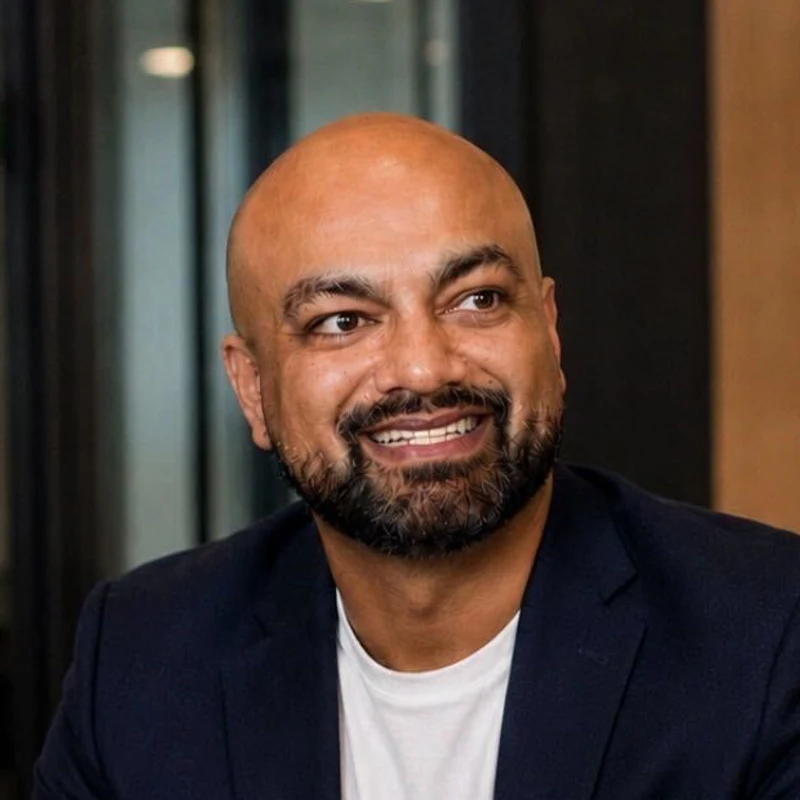

If there is one thing I can say with complete confidence, it is this. The future of health and life sciences in the UK is incredibly exciting. The momentum we are seeing right now is only the beginning, and what comes next will reshape the way we think about healthcare, wellbeing and the roles people play in the system.
Every year, more people step into the sector because they want to be part of something meaningful. They want to solve problems, support people and build better ways of delivering care. The future is not just about technology. It is about creating a healthier, fairer and more human centred experience for everyone.
In this article, I want to share where the sector is heading and what opportunities this creates for those thinking about joining the journey.
A More Personal and Predictive Approach to Health
The future of healthcare is shifting from treating illness to preventing it, and the whole sector is leading that shift. Advances in AI, remote monitoring, wearables, diagnostics and personalised data mean we can now detect health changes earlier and tailor support to each individual.
Imagine a future where your health data helps predict risks before they become problems. Where personalised guidance supports your wellbeing day to day. Where chronic conditions are managed through continuous digital care rather than occasional appointments.
This is not far away. It is already happening, and the UK is in a strong position to lead this next stage of personalised health.
Digital Tools Becoming Part of Everyday Care
Over the next decade, digital tools will feel as normal as going to a pharmacy or speaking to a GP. Virtual consultations, symptom checkers, mental health apps, remote monitoring and digital care pathways are becoming everyday experiences.
Companies are building accessible tools that help people take control of their health. The focus is shifting from long waits and fragmented systems to more proactive, coordinated and convenient care.
This move towards a blended digital and in person model of healthcare will create space for new roles, new ideas and new ways of supporting people.
AI Supporting Clinicians and Improving Outcomes
AI is often talked about as the big disruptor in healthcare, but the future is much more collaborative than that. AI will support clinicians by reducing administrative tasks, highlighting risks, speeding up diagnosis and helping them focus their time on where they can make the biggest difference. The same techniques are accelerating diagnostics and drug discovery across pharma and biotech.
It is not about replacing expertise. It is about strengthening it.
As these tools become more common, we will see many opportunities for people to guide, manage, implement and improve AI driven systems. The future will require clinical thinkers, communicators, designers, analysts and problem solvers. This creates a wide range of roles beyond pure technical work.
A Stronger Focus on Mental Health and Preventative Care
Mental health and preventative care are two areas where digital solutions will grow rapidly. More people than ever are comfortable using digital platforms for support, and companies are responding with tools that help individuals manage stress, build resilience, track habits and access help more easily.
Preventative care will also evolve through personalised wellness tools, nutrition insights, fitness technologies and behavioural support. This shift creates real potential for creative and compassionate people to help build products that support long term wellbeing.
More Cross Functional Roles, Not Just Technical Ones
One of the most encouraging parts of the future is the variety of roles the sector will need. UK health and life sciences will continue to expand into roles such as:
- product management
- clinical advisory
- service design
- user research
- implementation and delivery
- operations
- regulatory affairs and quality
- communication and engagement
- digital safety
- partnership and strategy roles
The future is not limited to engineers or data scientists. It will rely heavily on people who understand communication, empathy, pathways, design, psychology, operations and behaviour change.
This is why the sector feels inclusive and accessible. Whatever your background, there is likely a place where your strengths can shine.
A Greater Emphasis on Trust, Safety and Ethics
As digital health and connected products become more central to people’s lives, trust will matter more than ever. The future will bring stronger standards around privacy, safety, transparency and user protection. This is good for everyone. It ensures that tools are reliable, responsible and genuinely beneficial.
It also means more roles focused on ethical decision making, governance, safety assessments and responsible implementation. These roles will help shape the future of how technology and healthcare work together.
Collaboration Across the Entire Ecosystem
The next chapter in the UK will be defined by collaboration. Companies will work more closely with healthcare teams, academic institutions, innovators and community organisations. Solutions will be co created with the people who use them.
This creates a future where products are not just technically advanced, but shaped by real human insight.
A Sector Filled With Purpose
At the heart of all of this is purpose. People join this sector because they want their work to matter. They want to build solutions that support others, make a difference and create a better experience of care.
As the sector grows, the sense of purpose will grow with it. There will be countless opportunities to innovate, learn and contribute to something bigger than a job title.
Final Thoughts
The future of health and life sciences in the UK is full of possibility. It will be more personalised, more collaborative, more predictive and more focused on people. It will offer career opportunities for individuals with diverse skills and backgrounds. Most importantly, it will allow people to do work that has real, tangible impact.
If you are curious about joining the sector, now is the perfect time. It is growing, evolving and shaping the future of how we care for one another, and there is space for your skills, your ideas and your passion.